
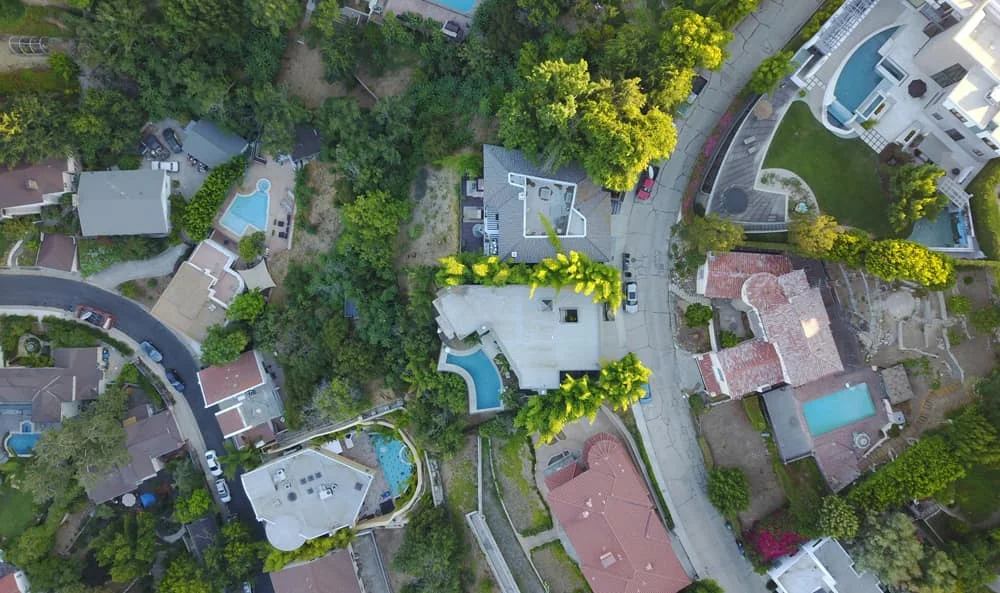
Survey Works provides subdivision and plat surveys for land developers, property owners, estate planners, attorneys, and builders working on land across Texas. This category of survey work covers formally dividing, adjusting, or combining legal parcels. The deliverable is a sealed survey drawing, prepared by a licensed land surveyor, that gets filed with the county and becomes part of the public record governing the property going forward.
Plat and subdivision work sits at the intersection of surveying, civil engineering, and local land-use regulation. The survey is one piece of a larger process that also involves the city or county planning department, utility districts, and sometimes legal counsel. Survey Works runs the survey component, coordinating directly with the engineer, the planner, and the owner so the plat that gets filed matches the project as approved.
What a plat is and what a plat survey does
A plat is a legally recorded map of a tract of land that has been divided into lots and filed with the county. The plat shows the boundaries of every lot in the subdivision, the streets and alleys between them, the easements that cross the property, the tie to neighboring tracts, and the legal language that establishes the subdivision for the public record. Once a plat is recorded, it governs the legal description of every lot inside it.
A plat survey is the fieldwork and drawing preparation that either creates a new plat or updates an existing one. Before a plat can be filed, a licensed land surveyor measures the parent tract, locates monuments on and around the property, reconciles the physical evidence with the historical record, and produces a sealed drawing that meets the specific requirements of the county or municipality where the plat will be filed.
Subdivision surveys: turning one parcel into many
A subdivision survey is what happens when a property owner or developer wants to divide one parcel into multiple legally recorded lots. The scope includes establishing the boundary of the parent tract, laying out the proposed lots and any new streets or public improvements, documenting the easements and setbacks that will govern each lot, and preparing a drawing the city or county will accept for review. Once the plat is approved and recorded, the divided lots can be sold, built on, or transferred independently.
On larger residential and commercial developments, the subdivision survey is part of a coordinated package with civil engineering, drainage design, utility planning, and sometimes a tree survey for Austin permit review. Survey Works prepares the survey portion of the package to the standard the local jurisdiction requires.
Lot line adjustments and re-plats
Not every plat-category job is a new subdivision. Two common scopes come up on already-platted property:
Lot line adjustments shift the boundary between two adjoining parcels without creating new lots. Owners use them to resolve encroachments, equalize lot sizes after years of informal use, or clean up irregular boundaries inherited from older plats. A lot line adjustment is technically a form of re-platting, and it follows a similar review process at the city or county level.
Re-plats revise an existing plat to reflect changes like a consolidation of two lots into one, a further subdivision of a large lot, or an update to easements or setbacks. Re-plats are ordered when the current plat no longer reflects how the property will be used, or when a transaction requires an updated public record.
Both scopes are handled under the subdivision and plat survey umbrella at Survey Works. The survey work and filing process looks similar; the difference is in what gets changed and why.
Who orders subdivision and plat work
Most subdivision and plat surveys are ordered by one of a few specific audiences. A residential or commercial developer dividing a large tract into sellable lots orders a subdivision survey as the foundation for site planning and eventual construction. A property owner with an inherited parcel orders a plat to formalize how the land will be divided among heirs or sold. Two neighboring property owners resolving an encroachment or equalizing a shared line order a lot line adjustment. A builder with a single irregular lot may order a re-plat to bring the legal description in line with a planned build.
On all of these scopes, the survey drawing is the piece that satisfies the county's filing requirements.
Survey Works has run subdivision, plat, and lot line adjustment work across Texas for over 10 years, on projects ranging from single lot adjustments between neighbors to large commercial and residential developments. Every project runs through the same process, with the county/city-specific filing requirements and the project's engineering and planning context built in.
For a subdivision, plat, re-plat, or lot line adjustment anywhere in Texas, Survey Works has the field and records expertise to prepare the drawing the county will accept and the project requires.